Hello my friend, long time no see.


Hey Vassilis. What’s up?


You know… life. Let’s leave that aside and let’s jump into the ambigrams, my friend! We were talking about Filter ambigrams. Can you give me a quick review of what we’ve learned until now?


Sure! Filter ambigrams are the typographic pieces of art that require something located in between the art and the viewer in order to achieve a second reading. We’ve got two types of filter ambigrams.

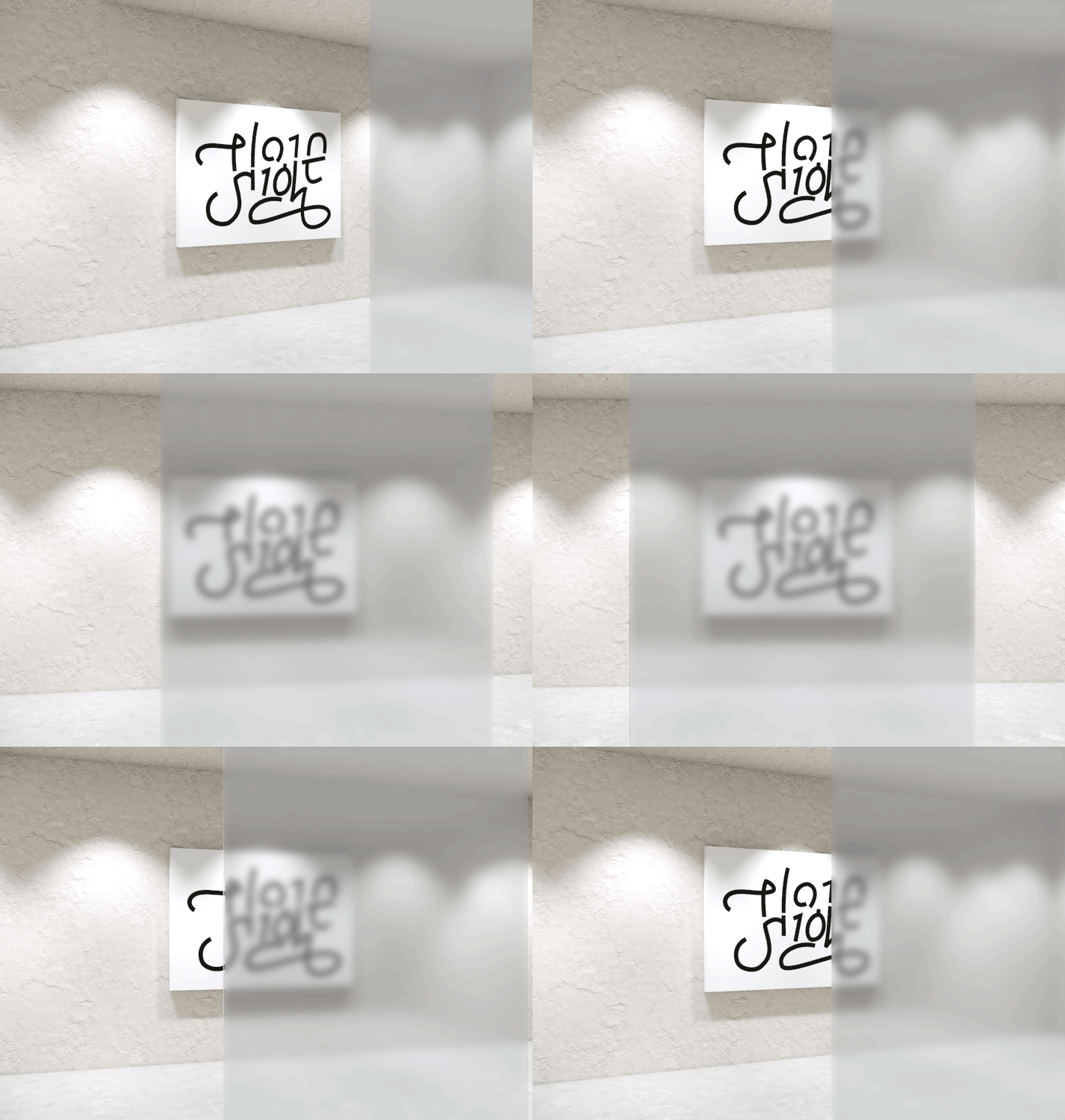
The first one is blur. This one creates duality through blurring the image. An example is Otto’s “hide – plain sight”.


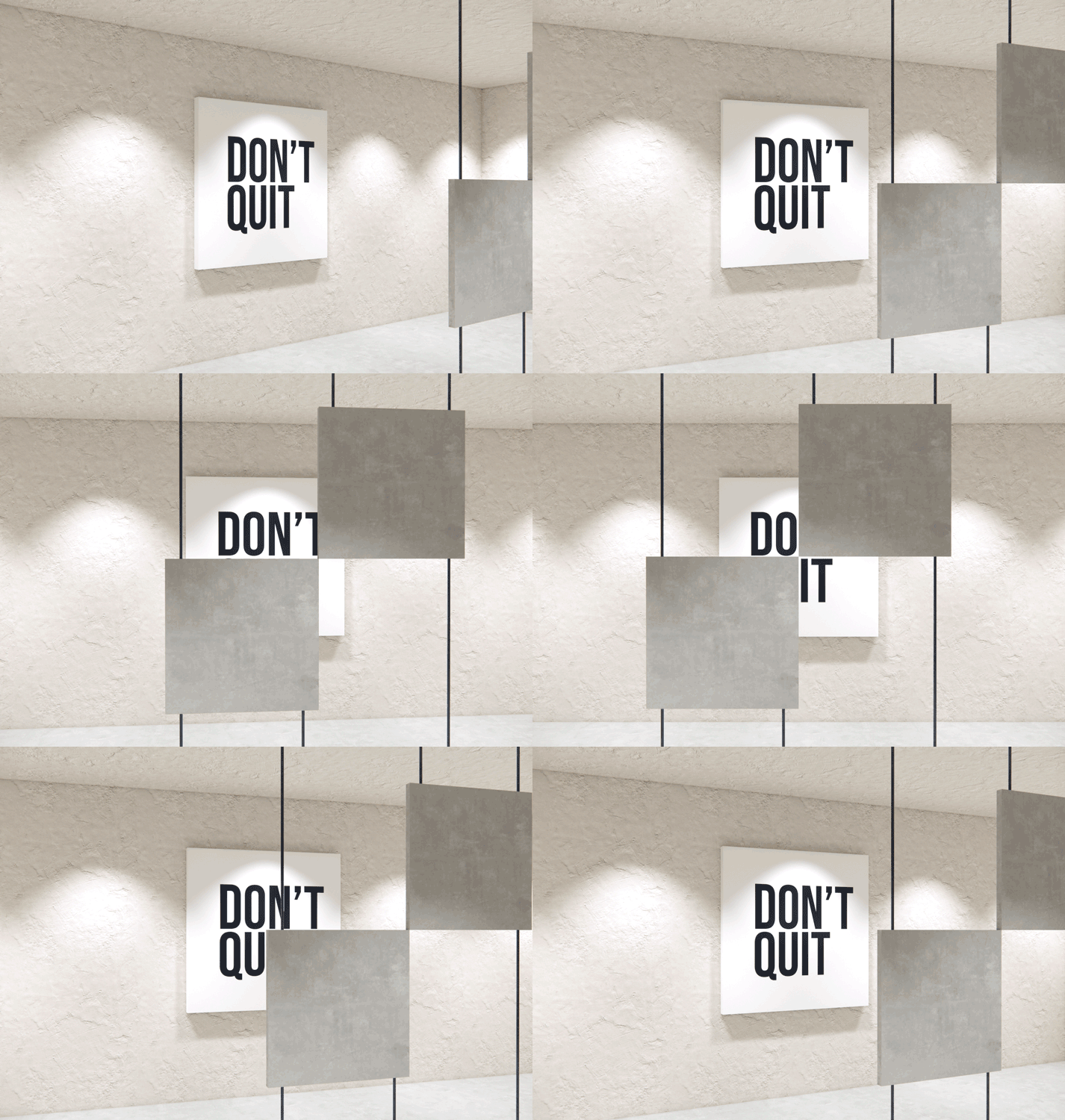
The second type is solid. Solid filters can either occlude letters, add them, or do both, to the image behind. Here’s an example of a solid ambigram that occludes some letters.


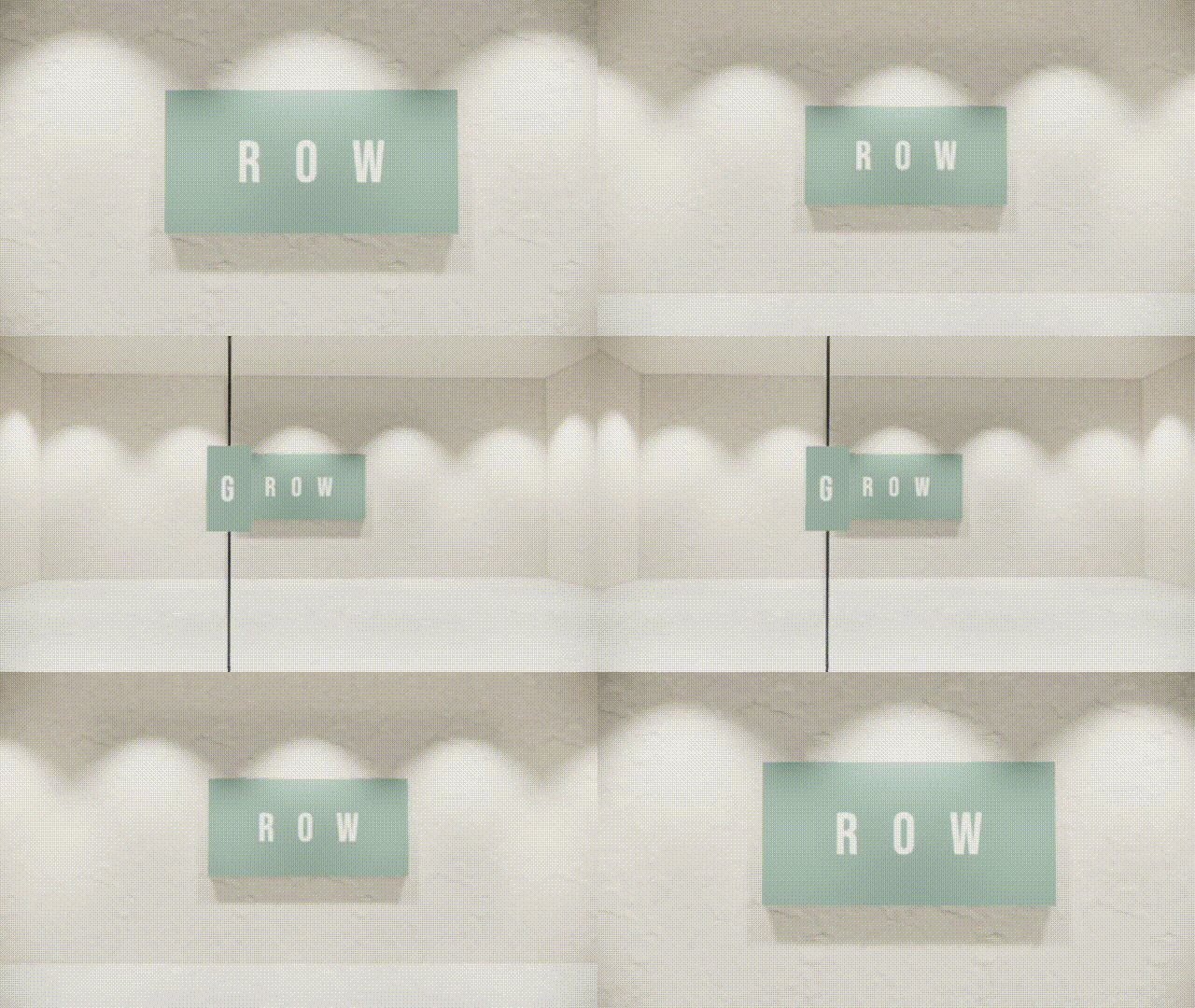
And here’s another one that adds.


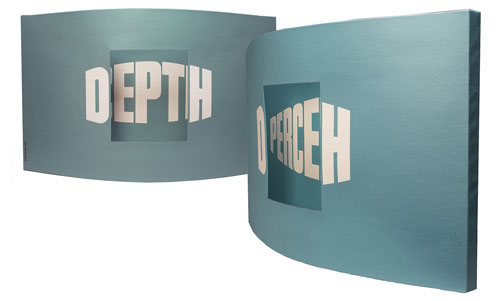
And here’s another one that does both. It’s John Langdon’s “depth perception”.


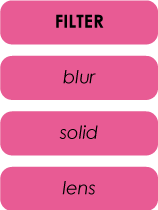
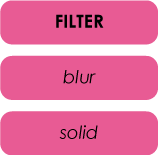
You’re amazing, my friend. And here’s our Filter map.


Now, here’s where things get even more interesting. We’ve seen objects getting in between the viewer as part of the art piece. What else could there be?


Are there new types of filter ambigrams to discover?


If they create duality, yes.


Hm… this is difficult. I can’t think of any.


It is, until I show it to you. Then it’s as crystal clear as a glass of water.
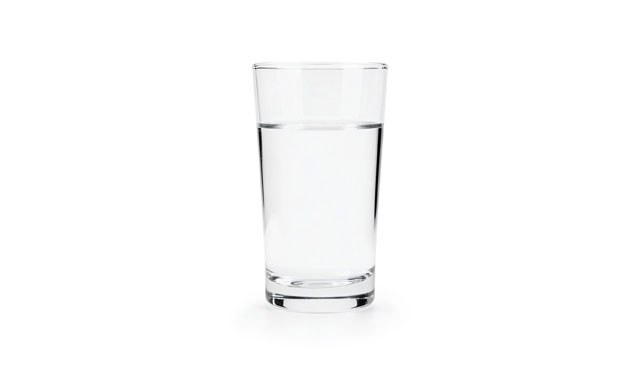
 

Hm… what do you mean?


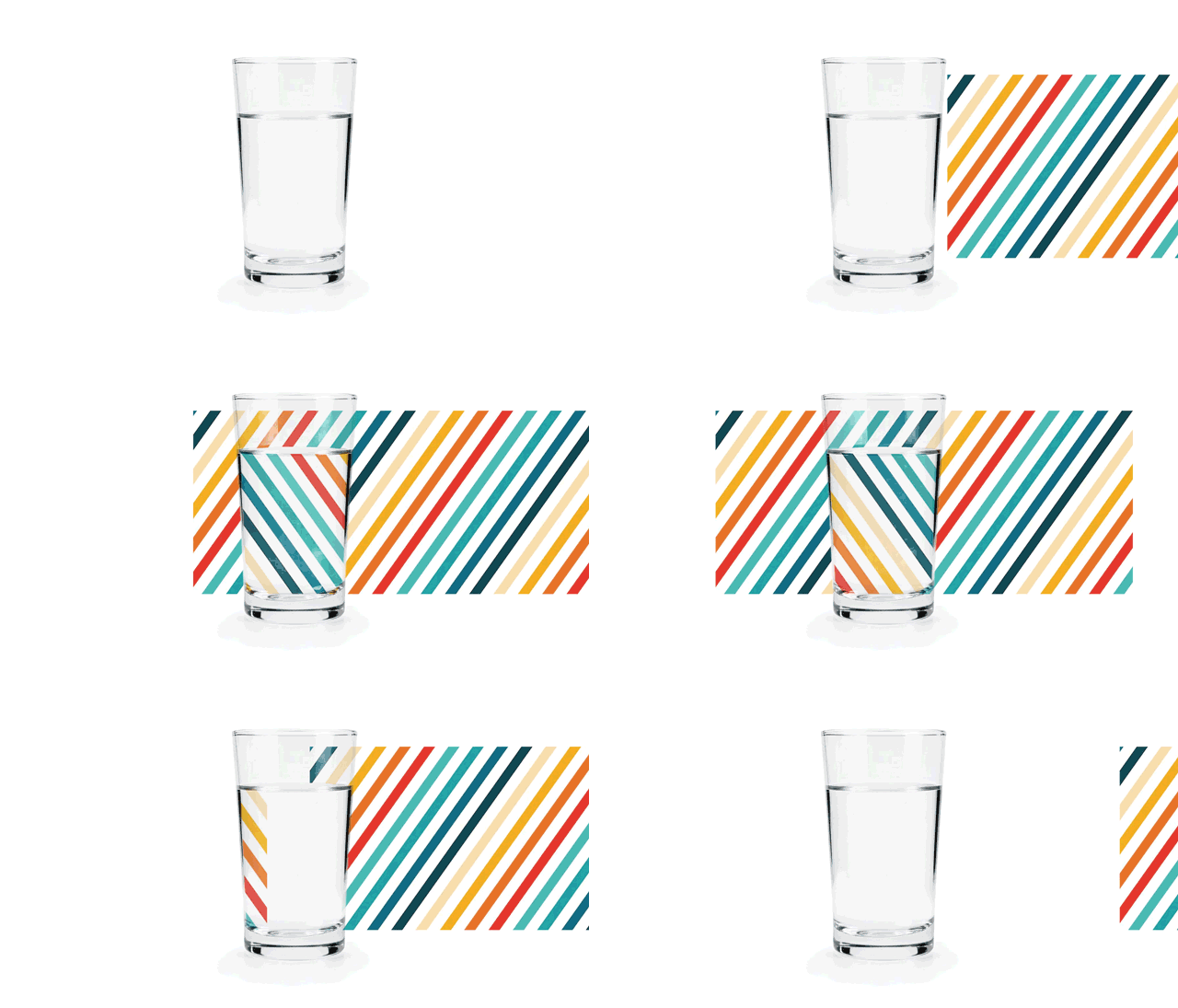
Let’s place something in the background and you’ll see.


Oh, refraction!


Yeah baby!


So, is refraction a sort of filter?


At the moment, it’s something that alters the background, that’s neither a blurry filter nor a solid one. Do you think we can find a way to turn this into a new ambigram type?


If anyone can, it’s you, V!


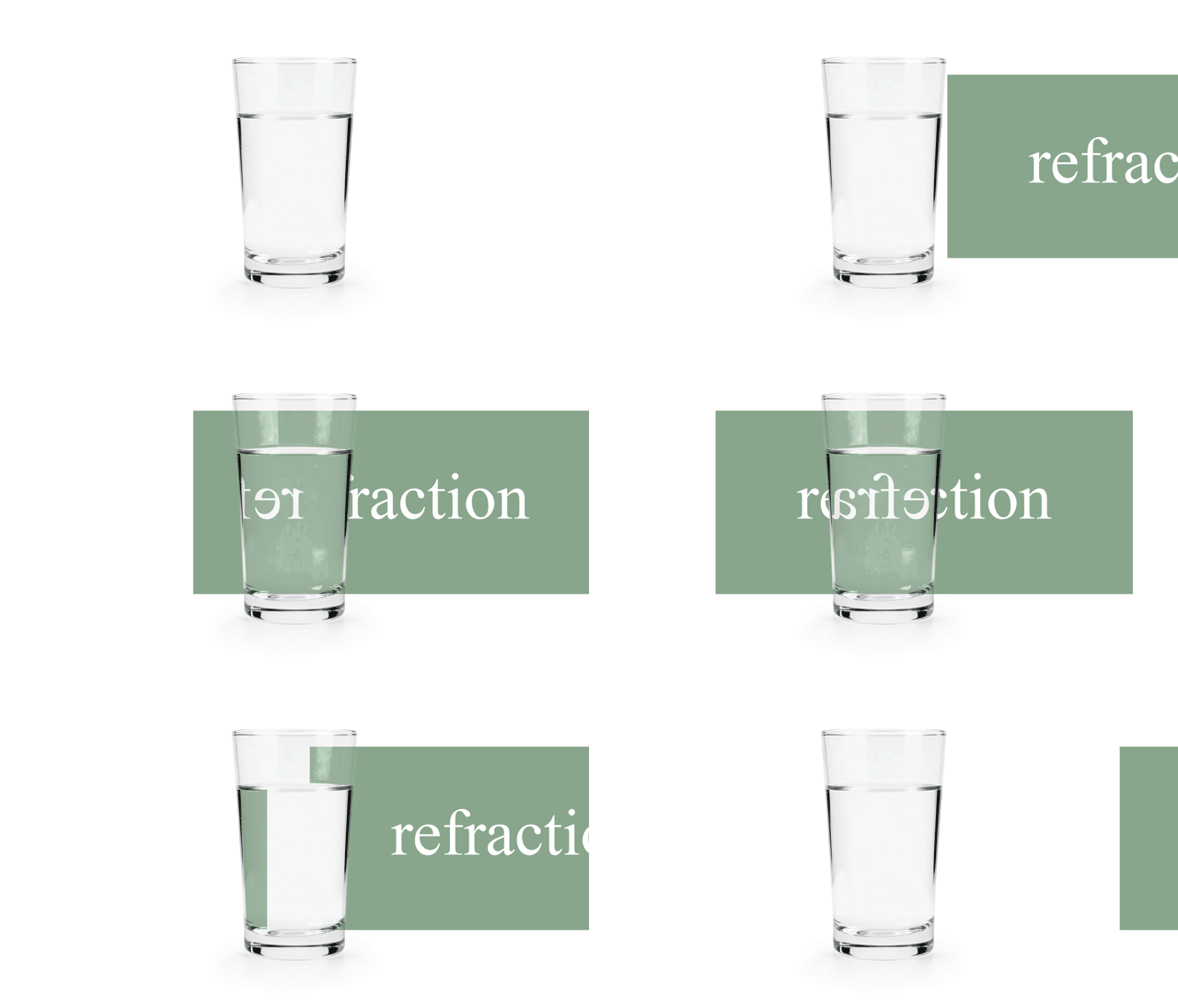
Let’s replace the stripes background with a piece of typography.


Hm… a glass of water reflects horizontally.


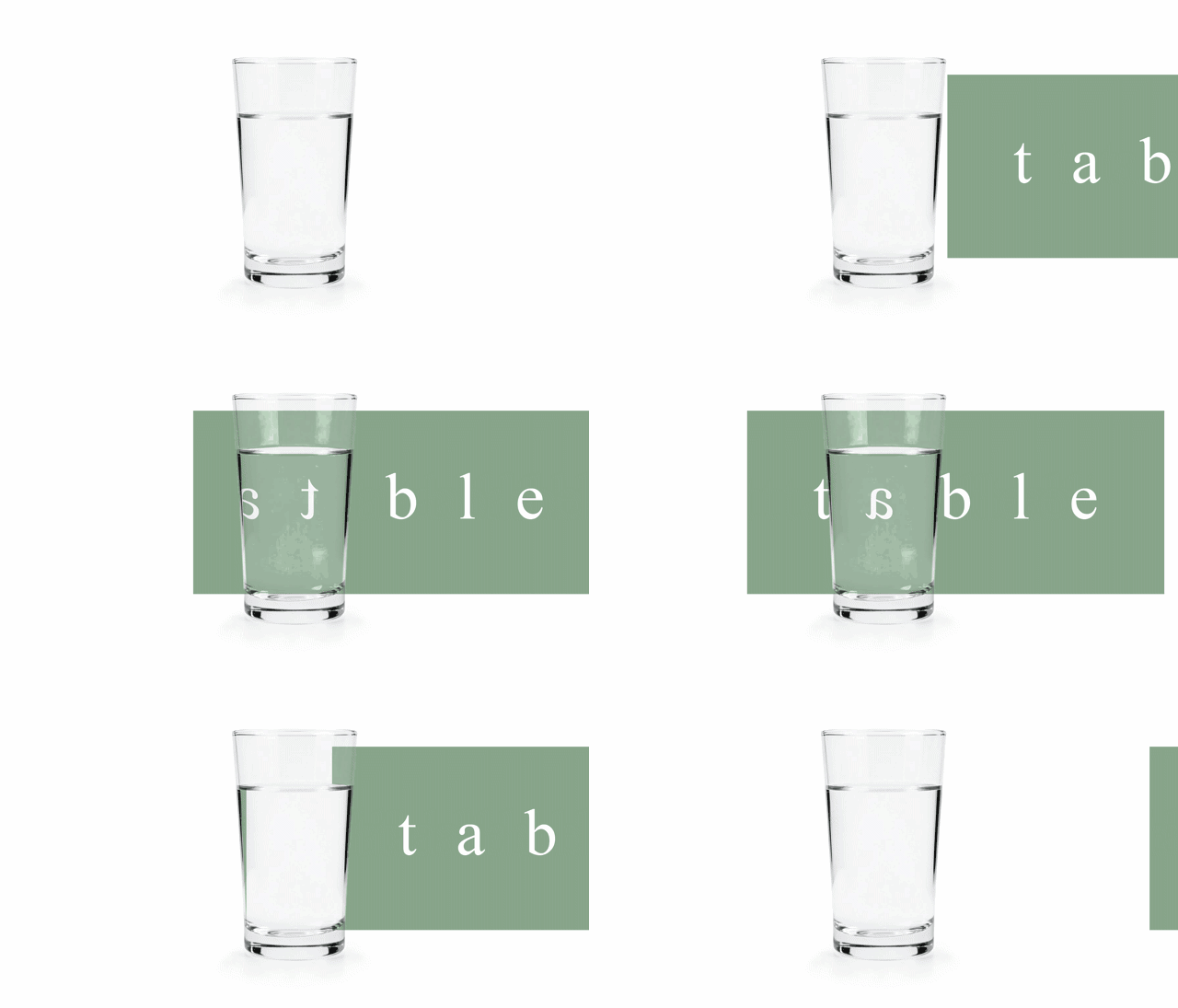
Let’s try focusing the reflection to a single letter to see what happens. Let’s replace our background again.


Haha! It was meant to be ‘table’. But hey! Tadle it is! I’m sure there is potential here! Let’s try one more.


Yes! We got it!


It works!


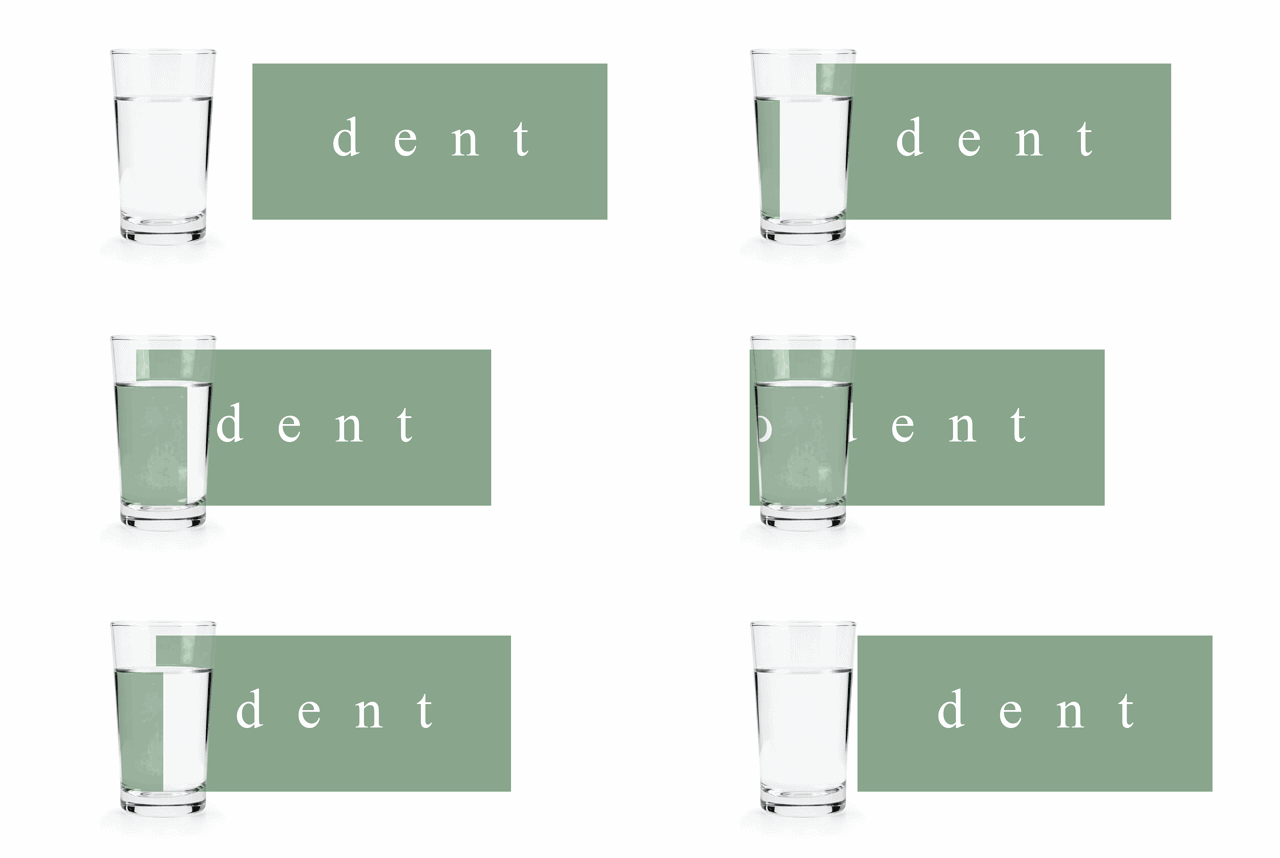
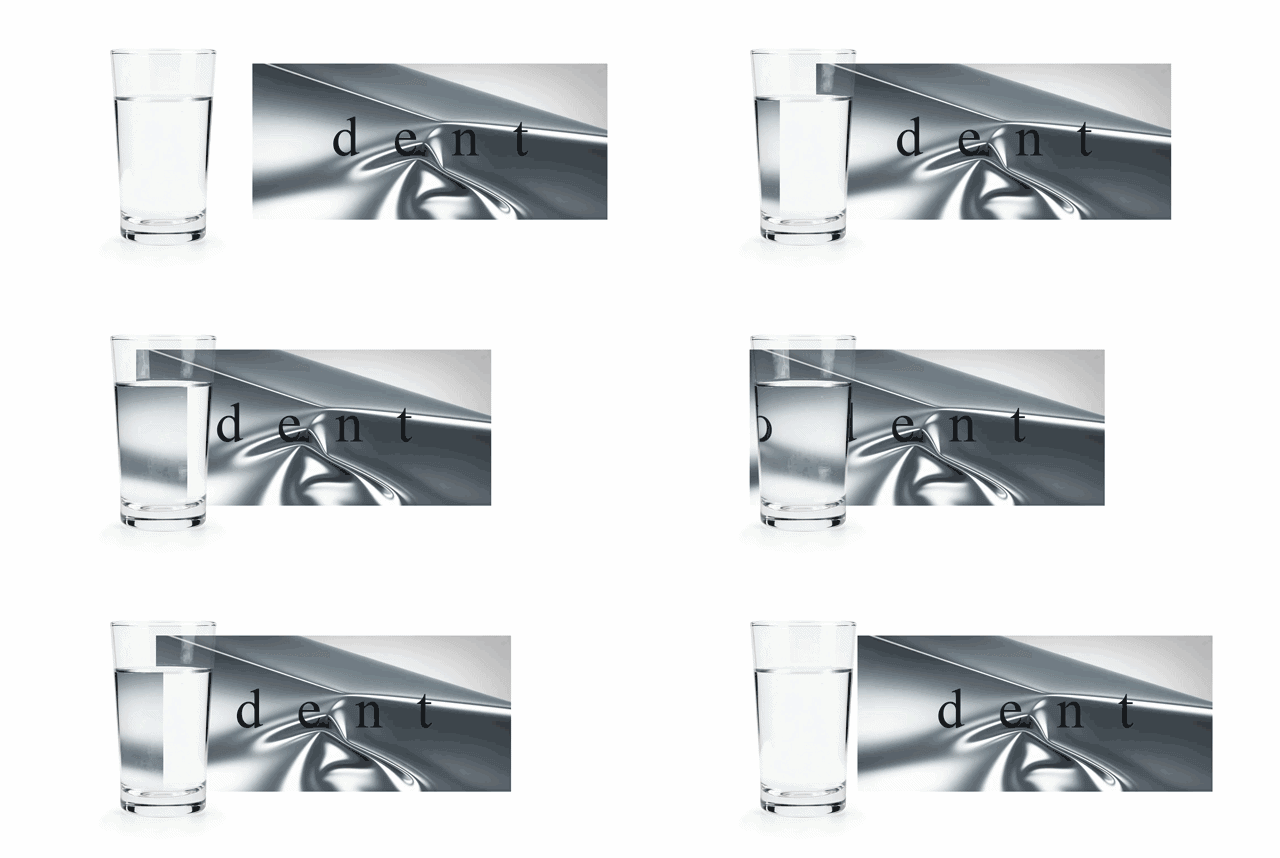
Let’s polish it a little bit.


That’s a dent bent Vassilis! Hooray!


Let’s try a couple more.


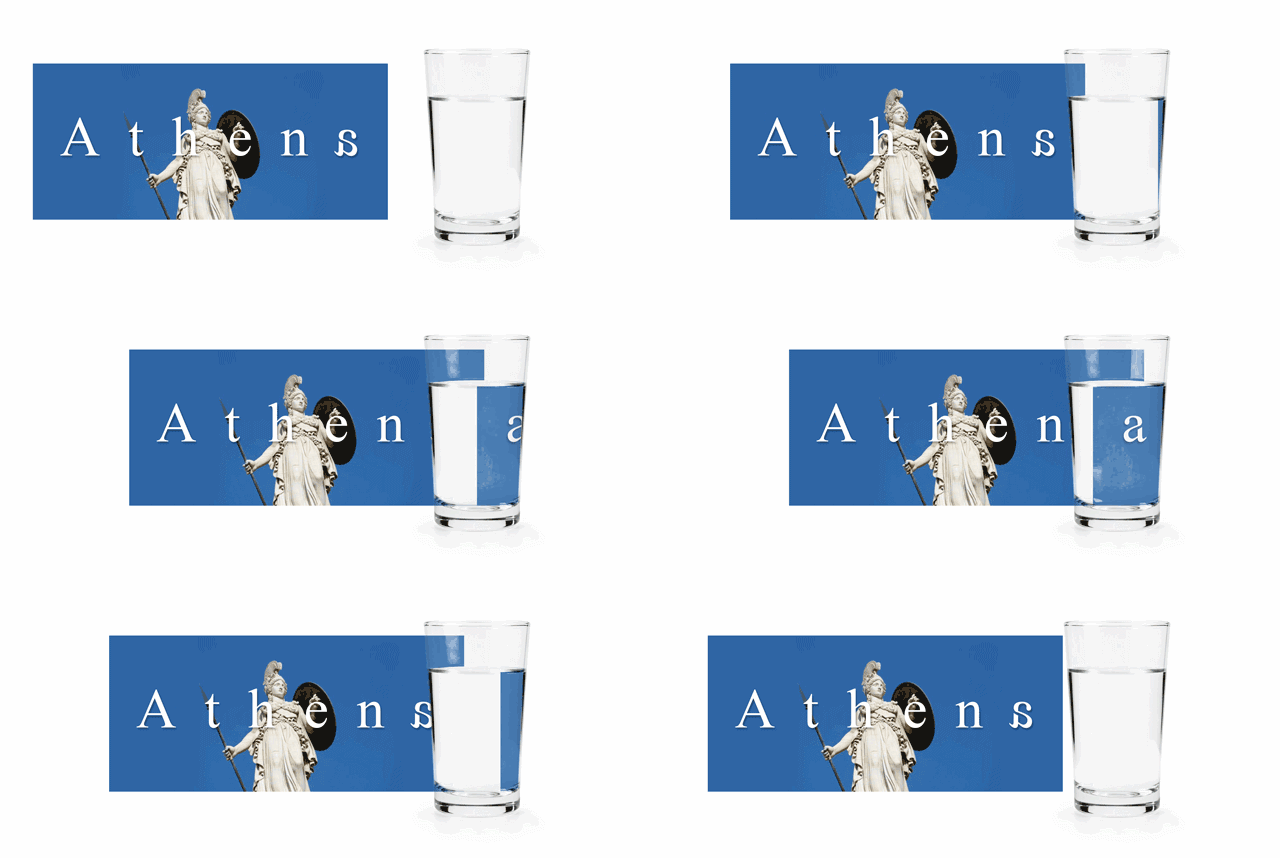
Athens – Athena. Goooood!


Yes, I like it as well. Here’s another one.


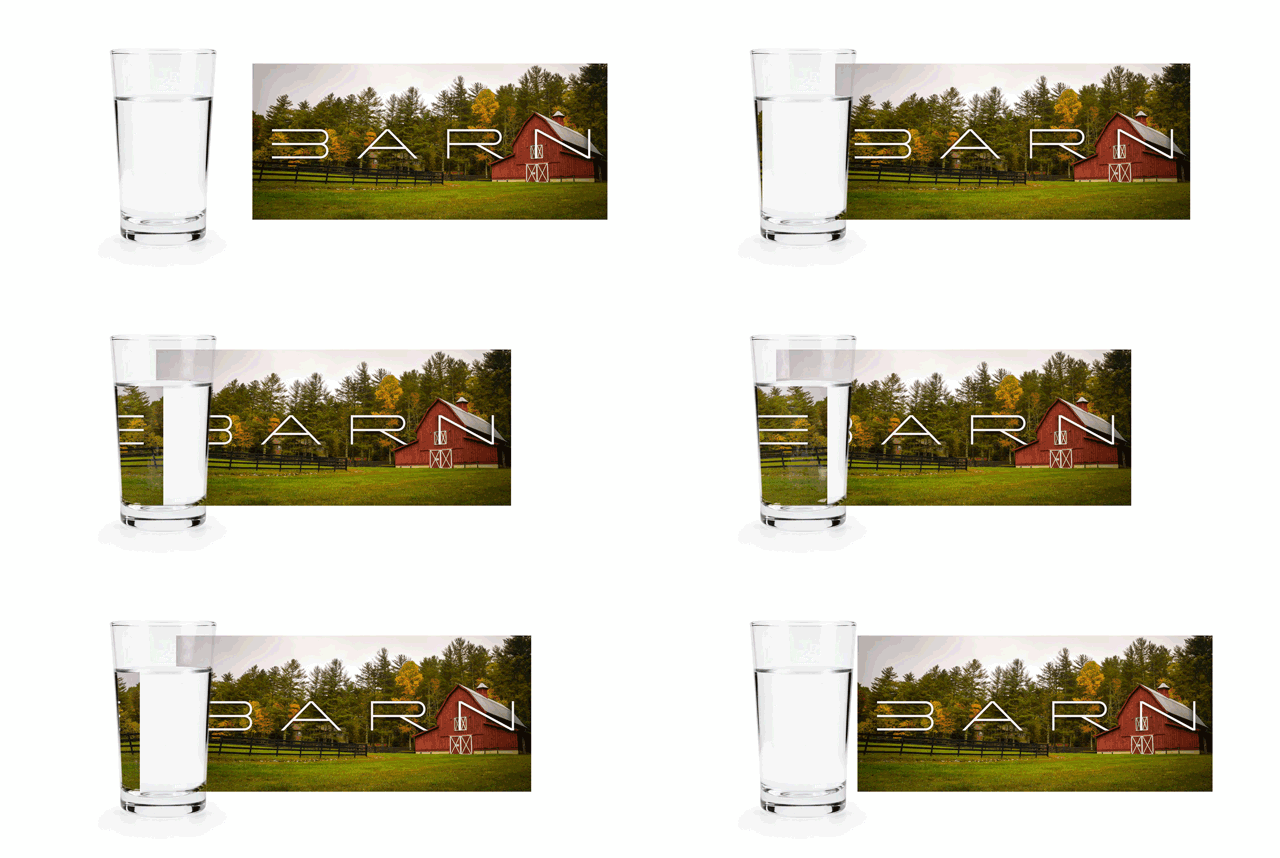
Earn – Barn. Nice technique!


Indeed. It seems that we can use a glass of water to reflect parts of images. Or maybe whole images. Or maybe the glass has another shape, not just cylindrical, that would create different visual transformations to the background image. Maybe it’s a sphere. Maybe it’s a diamond. Those filters can be any shape.


And I call using this type of filter…

   Lens ambigrams   


So, lens ambigrams are a third type in the Filter category?


Yes sir. Here’s how our Filter map looks now.


Just moments ago, we were wondering what other filters could there be besides solid objects and semi-transparent objects. And now we have prisms, lenses, crystal balls and all types of refractive objects transforming the image behind resulting in a second read.


Of course, so far we’ve only seen the effect of a cylindrical lens. Let’s see some other cases. Shall we?


Of course! Hit me!


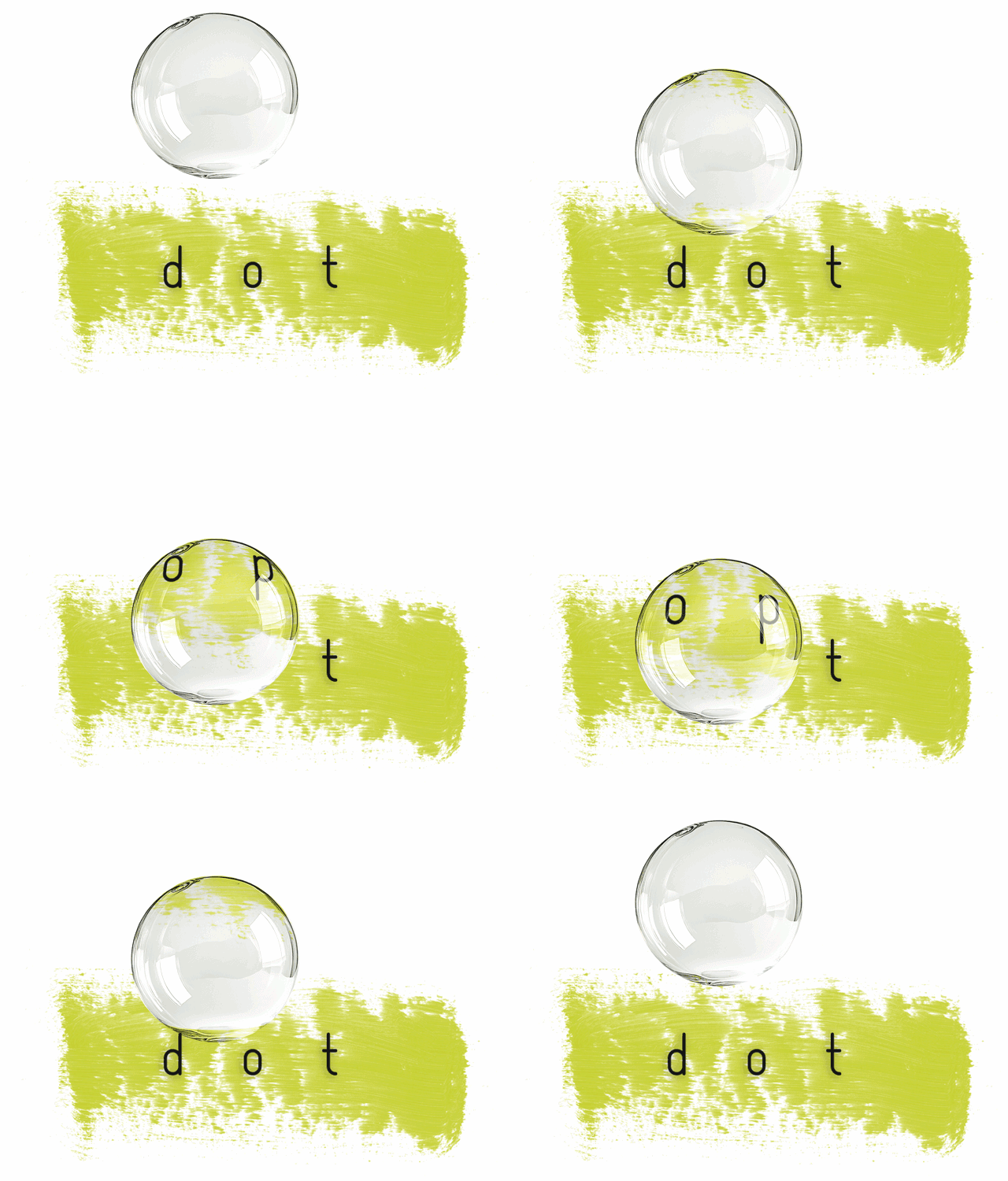
Here’s one of my favourites.


Is it dot-opt?


Correct! Isn’t it amazing that a glass sphere can visually rotate the background?


Indeed.


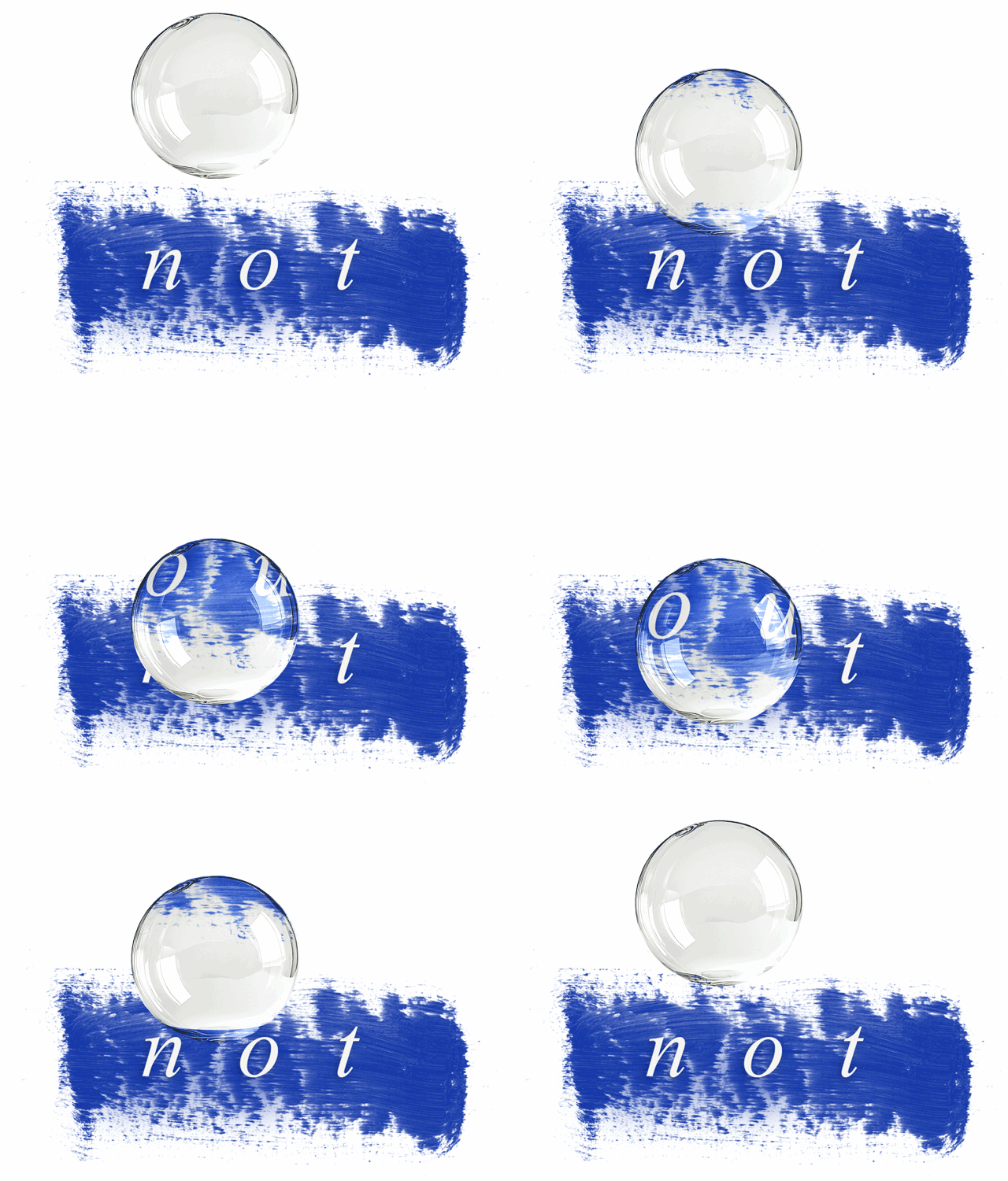
Let’s try another one.


Not out. Cool!


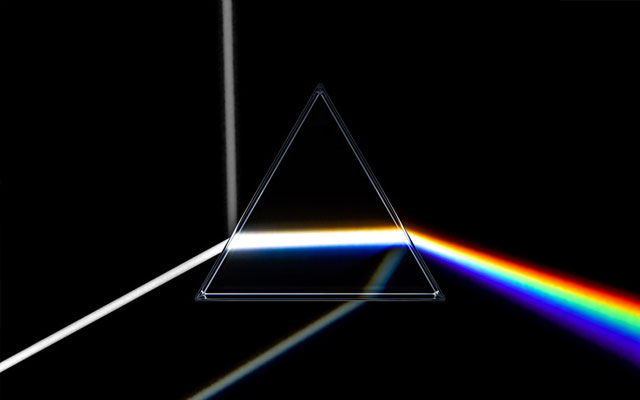
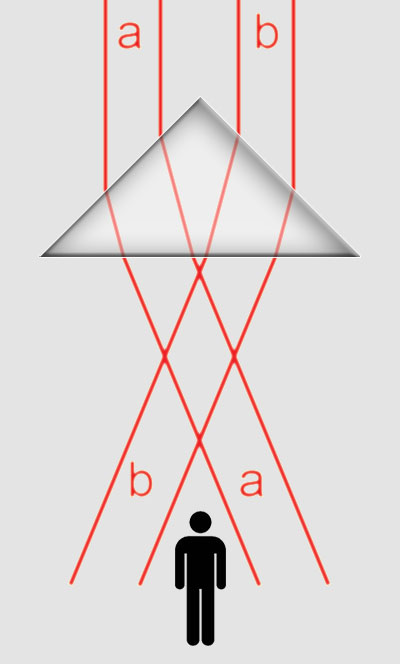
Just a moment ago, we experienced reflection. Now we see rotation. Now fasten your seatbelt, because you’re going to see how a triangular prism refracts light.


I’m pretty sure you’ve seen this image.


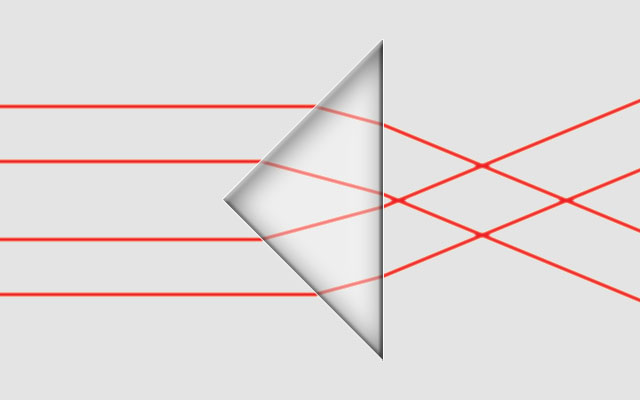
Here’s what happens when you have multiple parallel rays hitting from a specific angle.


We’re going to take advantage of this. Here’s how.


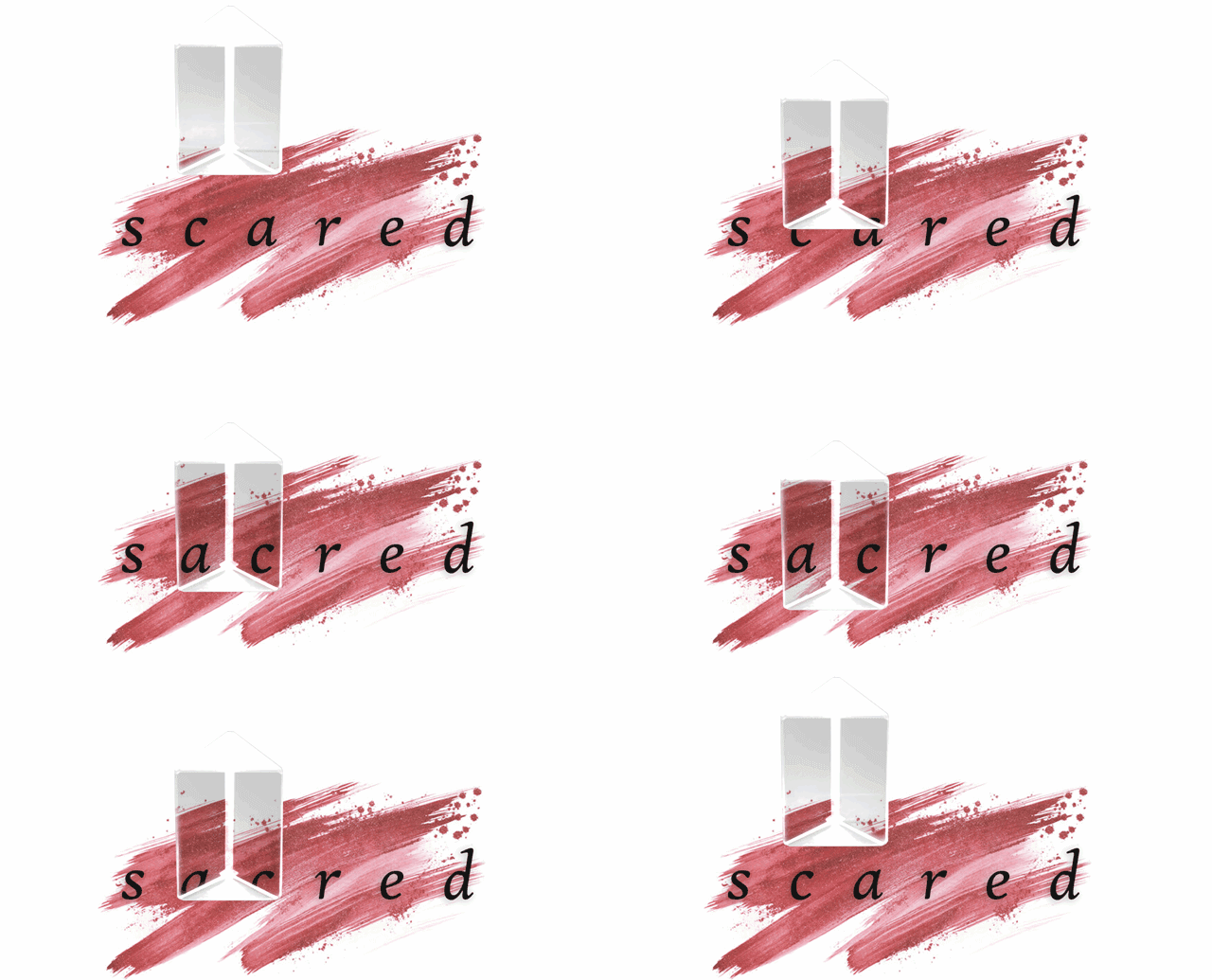
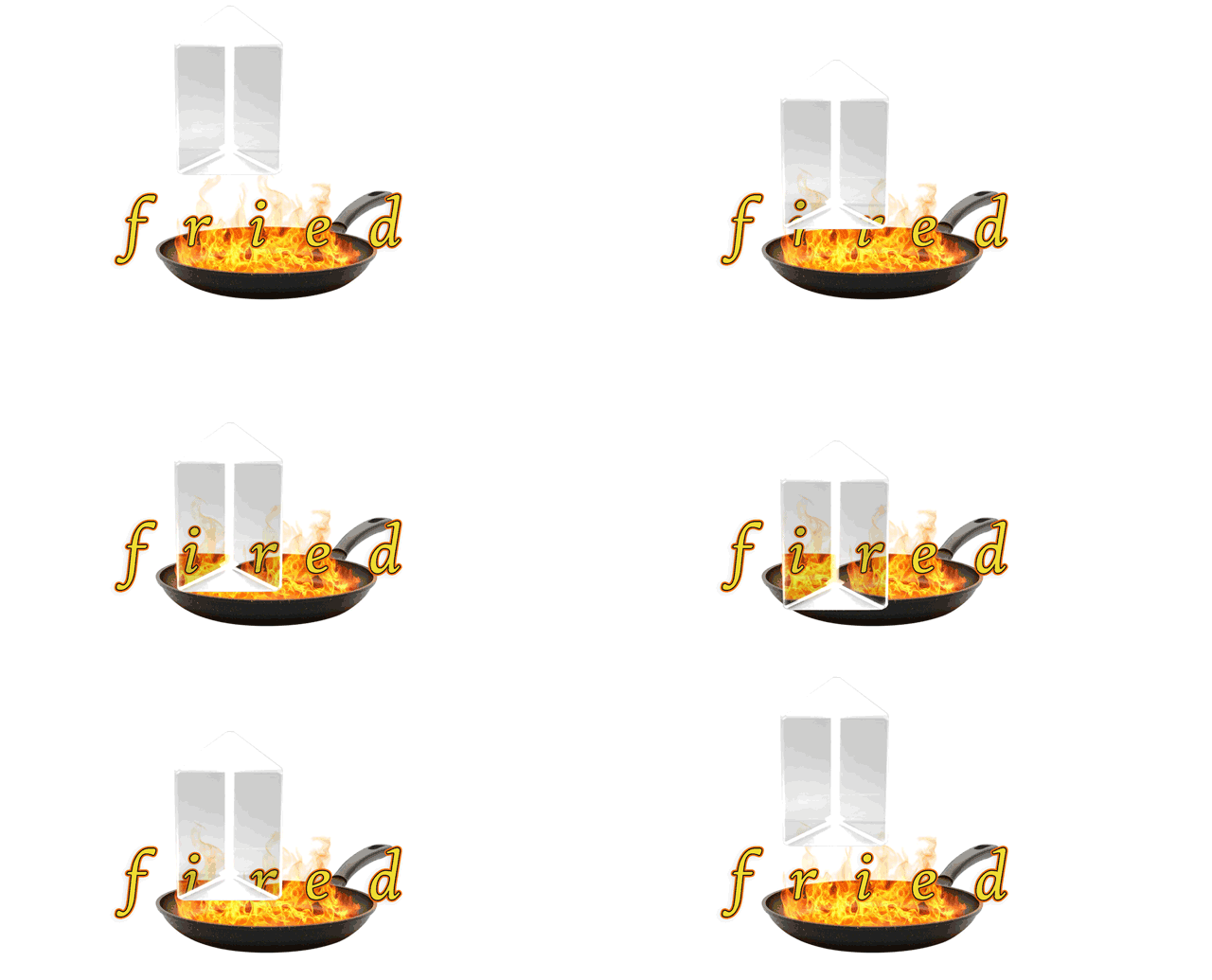
Do you see where this is going? Here’s a piece that uses this type of prism.


Oh, yeah!


That’s what I meant when I saw this worked. Here’s another one.


You can use anything: a glass of water, a magnifying glass, a crystal vase, a shower door, a glass ornament, even a fish bowl. If this object is carefully placed and achieves the necessary visual transformation of the typography behind it so as to be read as something different, then kaboom! You made a lens ambigram!


It seems difficult, but worth trying.


Indeed. But hey! I already gave you three examples of the way ordinary objects refract. A cylinder reflects, a sphere rotates and a prism shifts the background left or right.


Now it’s your turn. What are you going to come up with?

Send me your lens piece at [email protected]


I can’t wait to see what your creative mind will create!